Google Research 為 Gemini 企業代理平臺加入代理式 RAG,以充分上下文代理處理多跳查詢
重點摘要
Google Research 團隊推出全新的代理式 RAG 框架,該框架已內建於 Gemini 企業代理平臺,並驅動現正公開預覽的「跨語料庫檢索」功能。此技術針對企業搜尋中常見的失敗情境——標準單步驟 RAG 無法處理多來源、多跳查詢。例如提問「Project X 所用伺服器的規格為何?」系統可能找到某份文件提及伺服器 ID,卻不知需進一步以該 ID 查詢第二個資料庫來取得規格,導致答案不完整或顯示為「找不到」。Google 的新代理式 RAG 能規劃、推理並反覆與資料來源互動,處理複雜查詢以提高可靠性與準確性,而此版本即為 Gemini 企業代理平臺所託管的跨語料庫檢索功能。
Google Research team has introduced a new agentic RAG framework. It is built into the Gemini Enterprise Agent Platform. It powers a feature called Cross-Corpus Retrieval, now in public preview. The target is a known failure mode in enterprise search. Standard single-step RAG was not built for multi-source, multi-hop queries. Ask “What are the specs of the server used in Project X?” The system may find a document naming a server ID. It will not know to take that ID and search a second database for specs. The answer comes back partial, or as “not found.” What is Google’s New Agentic RAG Agentic RAG plans, reasons, and iteratively interacts with data sources. It handles complex queries to increase dependability and accuracy. Google’s version is the Gemini Enterprise Agent Platform-hosted Cross-Corpus Retrieval powered by Agentic RAG. Like other multi-agent RAG frameworks, it uses agents that work together. Unlike them, it adds a sufficient context check before generating a response. Compared to standard RAG, it increases accuracy on factuality datasets by up to 34%. Google’s research team also tested it on proprietary internal datasets. It reports better grounding and improved reasoning accuracy on domain-specific tasks. How the multi-agent architecture works Think of it as an organized research department, not one search engine. A “Vanilla” RAG system just matches your question to documents. An LLM then generates a response from those matches. The multi-agent framework splits the job into specialized roles. The Orchestrator decides the request is not a one-step job and delegates. The Planner Agent maps the information pathways across data sources. The Query Rewriter turns a vague request into several precise search queries. The Search Fanout Agent sends those queries to various retrieval sources. Finally, an LLM aggregates the collected context into a response. What makes this framework different The key difference is persistence. The framework knows when it is missing information and keeps searching. This stops the model from guessing when the first search is empty. It also avoids a premature “I don’t have enough information.” That persistence comes from the Sufficient Context Agent, a new component in Google’s framework. Consider a doctor asking for a patient’s discharge medications, dietary restrictions, and allergic reactions. In Phase 1, Orchestration, the Root Agent parses the request and delegates. The Planner Agent targets Pharmacy, Nutrition, and Clinical Notes. The Query Rewriter breaks the long request into simple, searchable questions. In Phase 2, Search, the RAG Agent runs all query fanouts at once. It finds medications and diet, but no allergy mention. A Vanilla RAG system might stop here with an incomplete answer. In Phase 3, the Sufficient Context Agent inspects the result. It reads the retrieved snippets pulled from the database. It reviews an intermediate draft against the prompt and snippets. Then it runs a missing pieces analysis. It does not just flag “insufficient context.” It writes a specific Reason and Feedback log naming the gap. In Phase 4, Iteration, the Query Rewriter creates a new search for the missing term. The RAG Agent digs into files it skipped and finds the data. In Phase 5, Synthesis, the agent confirms context is complete. The Synthesis Agent then writes a clean, accurate summary. Introducing our new agentic RAG framework. A collab with Google Cloud, our multi-agent workflow goes beyond standard RAG by breaking down complex enterprise queries & iteratively searching for sufficient context before generating dependable responses. →https://t.co/A8l499bLrj pic.twitter.com/5fZT49j8TL— Google Research (@GoogleResearch) June 5, 2026 The benchmark case Google team evaluated the system on FramesQA, which is based on the FRAMES research paper. FramesQA has 824 queries and a corpus of 2,676 PDF documents. The “Vanilla” baseline used Google’s RAG Engine. That engine includes an advanced retrieval engine, LLM parser, and re-ranker. Agentic RAG ran in two settings. Single-corpus retrieves from the FramesQA documents only. Cross-corpus adds three distracting datasets, so the Planner Agent must choose where to retrieve. This mimics companies whose databases are managed by separate teams. Accuracy used an LLM-as-a-judge against ground truth answers. In cross-corpus, the system nearly matched its single-corpus accuracy. It answered 90.1% of questions correctly while selecting the right corpus from four. Latency stayed within 3% on average between the two settings. CapabilityVanilla RAG (RAG Engine)Standard agentic RAGGoogle Cross-Corpus Agentic RAGRetrieval styleSingle-step matchMulti-agent, single passMulti-agent, iterativeMultiple agentsNoYesYesSufficient Context AgentNoNoYesIterative re-searchNoNoYesCross-corpus routingNoNoYes (Planner picks from 4)Reported accuracyBaselineNot reported here90.1% cross-corpus; up to 34% factuality gain vs standard RAGLatencyNot reported hereNot reported hereWithin 3% single vs cross Use cases The framework fits multi-hop, multi-source enterprise work. Healthcare teams can compile medications, diet, and allergy data from separate records. Engineering teams can trace a server ID to specs in another database. Finance and project teams can join budget data with timeline logs. The cross-corpus design suits organizations with databases owned by different teams. Key Takeaways Google’s agentic RAG adds a Sufficient Context Agent that re-searches until context is complete. It ships as Cross-Corpus Retrieval in Gemini Enterprise Agent Platform, in public preview. Reported gain is up to 34% higher factuality accuracy versus standard RAG. Cross-corpus routing answered 90.1% of FramesQA questions while picking from four corpora. Latency stayed within 3% between single-corpus and cross-corpus runs. Check out the Technical details. Also, feel free to follow us on Twitter and don’t forget to join our 150k+ ML SubReddit and Subscribe to our Newsletter. Wait! are you on telegram? now you can join us on telegram as well. Need to partner with us for promoting your GitHub Repo OR Hugging Face Page OR Product Release OR Webinar etc.? Connect with us The post Google Research Adds Agentic RAG to Gemini Enterprise Agent Platform with a Sufficient Context Agent for multi-hop queries appeared first on MarkTechPost.
Related
相關文章
Edge AI Daily 早報(6月19日)
AI Engineer World's Fair 2026規模再創新高,標誌AI工程從幕後走向舞臺中央。行業面臨結構性調整:楊立昆警示OpenAI年虧210億美元揭示商業模式脆弱性,Transformer之父轉投OpenAI反映人才爭奪白熱化。Anthropic多線佈局——語音支持七種語言、加入碳清除聯盟、落子首爾辦事處,展現生態擴張野心。監管壓力加劇,意大利依據DMA調查蘋果iCloud,巴西開放iOS側載佣金降至5%,蘋果圍牆花園持續崩塌。
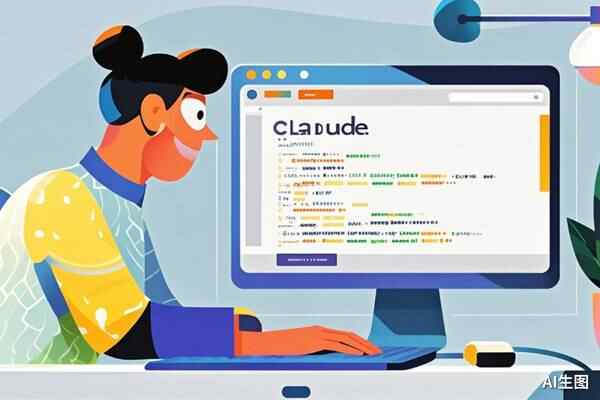
今天起,Claude Design要把設計師和程序員變成同一種人了
猝不及防!Anthropic深夜甩出Claude Design大更新,設計系統一鍵導入,代碼雙向同步,9大平臺一鍵導出。Anthropic設計師親自下場錄屏:AI跑了八輪自查,才敢把設計稿給你看。
OpenAI 成為 Rust 基金會白金會員,合計贊助 60 萬美元
OpenAI 正式成為 Rust 基金會白金會員,將提供總計 60 萬美元資金,用於支持 Rust 開源項目維護者及 Rust 創新實驗室等計劃。這標誌著 AI 巨頭對安全、高效系統編程語言的重視。 #OpenAI #Rust #開源
Claude Design 上線首周用戶破百萬,和 Claude Code 共享 AI 配額
Anthropic 今天(6 月 18 日)發佈公告,在宣佈 Claude Design 上線首周用戶規模突破 100 萬後,進一步強化和 Claude Code 的雙向聯動,實現從設計到編程的無縫工作流。
谷歌時隔6年再發智能音箱,Gemini上桌,售價不到700元
智東西 編譯 | 劉煜 編輯 | 陳駿達 智東西6月18日消息,谷歌昨日宣佈,其首款搭載居家版Gemini語音助手的智能音箱(Google Home Speaker)已開啟預售,將於當地時間6月25日正式上市,售價為99.99美元(約合人民幣677.03元)。在此之前,谷歌已有6年沒有推出過獨立智能音箱產品。 谷歌這款智能音箱外觀近似球形,風格類似亞馬遜新一代Echo音箱與蘋果舊款音箱HomePod Mini。 ▲谷歌智能音箱(圖源:谷歌官網) 使用音箱時,用戶只需通過口令“Hey Google”或“OK Google”喚醒Gemini,就可以繼續下達相應指令。這與谷歌舊款音箱、智能顯示屏等喚醒語音助手的方式相同。此外,用戶只要按照日常說話習慣下達命令,Gemini便能理解用戶意圖,相比之前大大提升溝通效率。 一、加強短時對話記憶,會員可與Gemini不限次數對話 谷歌此次推出的全新音箱升級諸多功能。其中,音箱搭載的Gemini語音助手擁有10款全新擬人化語音音色,用戶可以根據喜好自行選擇聲線。音箱還可支持用戶一次性下達多條語音指令,即使指令未能說對、說完整,用戶中途改口Gemini也能識別。 Gemini還具備多鏈路推理能力,落地到實際生活場景中比較實用。例如,用戶問:“我支持的足球隊下場比賽天氣如何?”Gemini收到指令後,會自動查詢賽事時間、舉辦地點,同時匹配相應時段天氣,再給出答覆。 同時,Gemini加強了短時對話記憶,能承接上下文實現連續對話功能。即使用戶連續追問、甚至串聯多項任務、不重複交代前置條件,該語音助手也能實現來回連貫交流。 ▲谷歌Gemini對話場景(圖源:谷歌官網) 不僅如此,Gemini搭配的連續對話功能,能讓應答後的音箱麥克風保持短暫收音,用戶無需重複喊“OK Google”就能繼續提問。該功能現已全面支持所有Gemini原生適配的語言,包括
微軟,考慮接入DeepSeek
這篇消息聚焦「微軟,考慮接入DeepSeek」。原始導語提到:Copilot Cowork轉為按量計費。 從 AI 情報角度來看,這類內容值得關注其背後的技術進展、產品落地、產業競爭與後續市場影響。