微軟Build大會一文看盡:9款自研模型、Windows版龍蝦、“夢中情機”,黃仁勳猛誇
重點摘要
這篇消息聚焦「微軟Build大會一文看盡:9款自研模型、Windows版龍蝦、“夢中情機”,黃仁勳猛誇」。原始導語提到:微軟要給智能體時代鋪路架橋。 從 AI 情報角度來看,這類內容值得關注其背後的技術進展、產品落地、產業競爭與後續市場影響。
### 微軟 Build 大會亮點總覽:AI 智能體生態全面鋪開
微軟在今年的 Build 開發者大會上,一口氣推出了多項圍繞 AI 與智能體的更新,從自研模型到 Windows 系統的深度整合,展現出為「智能體時代」鋪路的強烈企圖心。雖然大會主題看似五花八門——從 9 款自研模型、Windows 版的「龍蝦」新功能,到被稱為「夢中情機」的 AI PC,甚至 NVIDIA 創辦人黃仁勳也罕見上台盛讚——但背後的核心邏輯只有一個:微軟要讓開發者與使用者都能更容易地建立、部署並使用 AI 智能體,成為新時代的基礎設施提供者。
### 自研模型與開發工具:為智能體打造「大腦」
在大會上,微軟公布了多款自研的小型語言模型,這些模型專為特定場景設計,強調效率與低成本。不同於過往依賴 OpenAI 的 GPT 系列,微軟正透過自研模型降低開發門檻,讓企業與個人開發者能在本地端、邊緣裝置上運行 AI 應用。同時,微軟也強化了 Azure AI Studio 與 Copilot Studio 等工具,讓開發者能快速建立具備記憶、工具調用與自主決策能力的智能體,並能串接 Microsoft 365、Dynamics 365 等既有服務。這意味著未來你可能會看到更多能自動處理郵件、排程會議或分析報表的 AI 助理,不再只是回答問題,而是能「動手做事」。
### Windows 版「龍蝦」與 Copilot+ PC:系統層級的 AI 革命
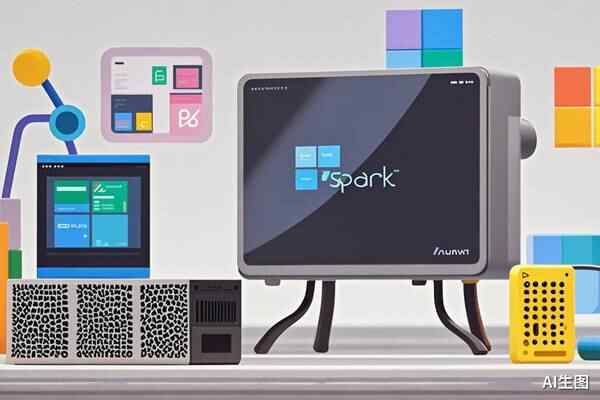
標題中提到的「Windows 版龍蝦」並非真正的海鮮,而是微軟為 Windows 推出的全新 AI 功能代號。這項功能直接嵌入作業系統,讓使用者可以透過自然語言指令操作電腦,例如「幫我找出昨天的會議紀錄並摘要重點」或「把這張圖片的背景換成藍色」。這背後仰賴的是微軟與合作夥伴推出的 Copilot+ PC,也就是內建專屬 AI 神經處理單元(NPU)的新一代電腦。這類裝置被稱為「夢中情機」,因為它們能在不依賴雲端的情況下,實現即時翻譯、影像生成與系統級 AI 互動,大幅提升隱私與反應速度。
### 黃仁勳的肯定:硬體與軟體的深度結合
NVIDIA 執行長黃仁勳在 Build 大會上意外現身,並對微軟的 AI 布局給予高度評價。他強調,微軟從雲端到終端、從模型到應用程式的完整生態,正是推動 AI 普及的關鍵。特別是 Copilot+ PC 採用 NVIDIA 的 GPU 與 ARM 架構晶片,讓 AI 運算能在個人裝置上順暢執行。黃仁勳的「猛誇」不僅是商業互捧,更反映出軟體巨人與硬體霸主正在聯手定義下一代的運算平台:過去是「Windows + x86」,未來將是「Copilot + NPU」。
### 背景脈絡:從雲端 AI 到邊緣智能體的轉折
過去兩年,AI 話題多集中在大型語言模型的參數競賽與雲端服務。然而,微軟這次大會顯然將重心轉向「落地」與「賦能」。你可以觀察到,微軟不再只強調 GPT-4 有多強,而是展示 AI 如何悄然融入 Excel、Word、Windows 設定頁,甚至是一台不到 1000 美元的筆電。這背後代表著 AI 產業正從「少數人用 API 呼叫模型」的階段,進入「每個人都能用 AI 完成日常工作」的普及期。微軟選擇在此時推出自研模型與系統級功能,正是要搶佔這個入口。
### 可能影響:開發者生態與消費市場的雙重震盪
對開發者而言,微軟提供的低程式碼與無程式碼智能體工具,可能讓傳統的軟體開發流程產生變化。過去需要寫大量程式碼才能實現的自動化任務,現在透過對話與拖曳就能完成。這會吸引更多非工程背景的專業人士(如行銷、財務)加入 AI
Related
相關文章
Liquid AI Introduces LFM2.5-Embedding-350M and LFM2.5-ColBERT-350M: Dense Bi-Encoder and Late-Interaction Models for Fast Multilingual Search Across 11 Languages
This week, Liquid AI released two new retrieval models. They are LFM2.5-ColBERT-350M and LFM2.5-Embedding-350M. Both hold 350M parameters. Both are the first bidirectional members of the LFM family. They build on LFM2.5-350M-Base, released in March. The pair targets fast multilingual and cross-lingual search across 11 languages. Their footprint is small enough to run almost anywhere. Both are available now on Hugging Face under the LFM Open License v1.0. LFM2.5 Retrievers The two models share one backbone but represent text differently. LFM2.5-Embedding-350M is a dense bi-encoder. It turns each document into a single vector. Pick it when you want the fastest search and the smallest, cheapest index. LFM2.5-ColBERT-350M is a late-interaction model. It converts each token into a vector rather
Perplexity Launches Brain, a Self-Improving Memory System That Builds a Context Graph of an Agent’s Work and Learns Overnight
Most AI memory remembers the user. It stores your preferences, your tastes, and your role. Perplexity is taking a different path. Today, Perplexity launched Brain, a self-improving memory system for its agent product, Computer. Brain does not focus on remembering you. It remembers what the agent did. That reframes what memory in AI is for. What is Perplexity‘s Brain Brain is a self-improving memory system. It builds a context graph of the work Computer performs. At set intervals, such as overnight, Brain reviews that graph. It then teaches itself how to do the work better. The idea is straightforward. The more work you do, the more efficient Brain makes your Computer. Brain is rolling out today to Perplexity Max and Enterprise Max subscribers in Research Preview. Two Axes of AI Memory Perp

智譜新高,MiniMax承壓,“大模型雙雄”命運殊途
這篇消息聚焦「智譜新高,MiniMax承壓,“大模型雙雄”命運殊途」。原始導語提到:大模型在被市場重新定價 從 AI 情報角度來看,這類內容值得關注其背後的技術進展、產品落地、產業競爭與後續市場影響。

華為昇騰 0 Day 支持智譜 GLM-5.2 模型,提供全面推理優化
華為昇騰 AI 宣佈在智譜開源 GLM-5.2 大模型當天即完成深度推理優化。通過 MOE 大融合算子、通信計算融合、高併發調度等七項關鍵技術,顯著提升編程和長程任務的處理效率,現已支持 A3 系列產品部署。#AI 大模型# #國產算力#
企業AI轉型再添利器:青雲科技算力雲接入 MiniMax-M3 模型
企業AI落地面臨高效低成本難題。青雲科技旗下基石智算平臺接入國產開源大模型MiniMax-M3,提供新算力支持。MiniMax-M3以卓越上下文處理能力等三大核心技術見長,依託自研架構,助企業便捷部署AI業務。
阿里開源統一科學大模型 LOGOS,僅用五十六分之一參數超越微軟
阿里 ATH-Token Foundry 聯閤中國人民大學高瓴人工智能學院開源科學基礎模型 LOGOS。該模型採用統一科學語法與純序列建模範式,在六大科學任務上匹配或超越傳統專用方法。其中 LOGOS-1B 僅 1B 參數,即展現出極高效率,性能超越參數量達 8×7B 的微軟模型。