A Coding Hands-On on FineWeb for Streaming, Filtering, Deduplication, Tokenization, and Large-Scale Web Corpus Analytics
重點摘要
In this tutorial, we explore the FineWeb dataset through an advanced hands-on workflow. We stream a manageable sample of the dataset without downloading the full multi-terabyte corpus, inspect its schema and metadata, and analyze key fields such as URL, language, language score, and token count. We also reproduce simplified versions of FineWeb’s quality-filtering pipeline, apply MinHash-based near-duplicate detection, verify token counts with the GPT-2 tokenizer, and generate useful analytics on domains, language scores, document lengths, and tokenizer efficiency. Copy CodeCopiedUse a different Browserimport subprocess, sys def pip(*pkgs): subprocess.run([sys.executable, "-m", "pip", "install", "-q", *pkgs], check=True) pip("datasets>=2.19", "datasketch", "tiktoken", "pandas", "matplotlib"
In this tutorial, we explore the FineWeb dataset through an advanced hands-on workflow. We stream a manageable sample of the dataset without downloading the full multi-terabyte corpus, inspect its schema and metadata, and analyze key fields such as URL, language, language score, and token count. We also reproduce simplified versions of FineWeb’s quality-filtering pipeline, apply MinHash-based near-duplicate detection, verify token counts with the GPT-2 tokenizer, and generate useful analytics on domains, language scores, document lengths, and tokenizer efficiency. Copy CodeCopiedUse a different Browserimport subprocess, sys def pip(*pkgs): subprocess.run([sys.executable, "-m", "pip", "install", "-q", *pkgs], check=True) pip("datasets>=2.19", "datasketch", "tiktoken", "pandas", "matplotlib", "tqdm") import re, math, random, collections from urllib.parse import urlparse import pandas as pd import numpy as np import matplotlib.pyplot as plt from tqdm.auto import tqdm from datasets import load_dataset random.seed(0); np.random.seed(0) pd.set_option("display.max_colwidth", 90) We begin by installing all required libraries for streaming, analysis, deduplication, tokenization, and visualization. We import the core Python packages needed to process FineWeb documents and work with tabular data. We also set random seeds and display options so that our results remain consistent and easier to inspect. Copy CodeCopiedUse a different BrowserN_DOCS = 3000 print(f"Streaming {N_DOCS} docs from FineWeb sample-10BT ...") stream = load_dataset( "HuggingFaceFW/fineweb", name="sample-10BT", split="train", streaming=True, ) docs = [] for i, doc in enumerate(tqdm(stream, total=N_DOCS)): docs.append(doc) if i + 1 >= N_DOCS: break df = pd.DataFrame(docs) print("\nColumns:", list(df.columns)) print(df[["url", "language", "language_score", "token_count"]].head(5)) ex = docs[0] print("\n--- Example record (fields) ---") for k, v in ex.items(): preview = (v[:120] + "…") if isinstance(v, str) and len(v) > 120 else v print(f"{k:>16}: {preview}") We stream a fixed number of documents from the FineWeb sample-10BT subset without downloading the full dataset. We convert the streamed records into a DataFrame and inspect key metadata fields, including URL, language, language score, and token count. We also print a complete example record to better understand the dataset’s structure. Copy CodeCopiedUse a different BrowserWORD = re.compile(r"\b\w+\b") def gopher_quality(text): words = WORD.findall(text) n = len(words) if n < 50 or n > 100_000: return False, "word_count_out_of_range" mean_len = sum(len(w) for w in words) / n if mean_len < 3 or mean_len > 10: return False, "bad_mean_word_length" if (text.count("#") + text.count("...")) / n > 0.1: return False, "too_many_symbols" lines = text.split("\n") if lines and sum(l.lstrip().startswith(("•", "-", "*")) for l in lines) / len(lines) > 0.9: return False, "mostly_bullets" stops = {"the", "be", "to", "of", "and", "that", "have", "with"} if len(stops & {w.lower() for w in words}) < 2: return False, "too_few_stopwords" return True, "ok" def c4_quality(text): lines = [l for l in text.split("\n") if l.strip()] if not lines: return False, "empty" low = text.lower() for bad in ("lorem ipsum", "javascript is disabled"): if bad in low: return False, f"boilerplate:{bad}" if text.count("{") > 0 and text.count("{") / max(len(lines), 1) > 0.5: return False, "too_many_braces" return True, "ok" def fineweb_custom(text): lines = [l.strip() for l in text.split("\n") if l.strip()] if not lines: return False, "empty" dup_frac = 1 - len(set(lines)) / len(lines) if dup_frac > 0.3: return False, "duplicated_lines" short_frac = sum(len(l) < 30 for l in lines) / len(lines) if short_frac > 0.67 and len(lines) > 5: return False, "list_like" return True, "ok" results = [] for d in docs: t = d["text"] g_ok, g_r = gopher_quality(t) c_ok, c_r = c4_quality(t) f_ok, f_r = fineweb_custom(t) reason = "kept" if (g_ok and c_ok and f_ok) else (g_r if not g_ok else c_r if not c_ok else f_r) results.append(reason) filter_summary = pd.Series(results).value_counts() print("\n--- Quality-filter outcomes on already-clean FineWeb data ---") print("(Most pass: FineWeb is pre-filtered. Rejections show what the rules catch.)") print(filter_summary) We recreate simplified versions of FineWeb’s quality filters using Gopher-style, C4-style, and custom text-cleaning heuristics. We check each document for issues such as abnormal word counts, poor word statistics, boilerplate text, repeated lines, and list-like structure. We summarize how many documents pass or fail these filters to understand the quality of the already-cleaned FineWeb sample. Copy CodeCopiedUse a different Browserfrom datasketch import MinHash, MinHashLSH def shingles(text, k=5): toks = WORD.findall(text.lower()) return {" ".join(toks[i:i+k]) for i in range(max(len(toks) - k + 1, 1))} NUM_PERM = 128 THRESHOLD = 0.7 lsh = MinHashLSH(threshold=THRESHOLD, num_perm=NUM_PERM) minhashes = {} for idx, d in enumerate(tqdm(docs, desc="MinHashing")): m = MinHash(num_perm=NUM_PERM) for s in shingles(d["text"]): m.update(s.encode("utf8")) minhashes[idx] = m lsh.insert(str(idx), m) dup_pairs = set() for idx, m in minhashes.items(): for cand in lsh.query(m): c = int(cand) if c != idx: dup_pairs.add(tuple(sorted((idx, c)))) print(f"\nFound {len(dup_pairs)} near-duplicate pairs (Jaccard ≥ {THRESHOLD}).") if dup_pairs: a, b = next(iter(dup_pairs)) j = minhashes[a].jaccard(minhashes[b]) print(f"Example pair (estimated Jaccard ≈ {j:.2f}):") print(" DOC A:", docs[a]["text"][:160].replace("\n", " "), "…") print(" DOC B:", docs[b]["text"][:160].replace("\n", " "), "…") else: print("No near-dupes in this slice — expected, since FineWeb is dedup'd per crawl.") We implement MinHash-based near-duplicate detection to approximate how large web corpora identify repeated or highly similar documents. We convert each document into word shingles, generate MinHash signatures, and index them with Locality Sensitive Hashing. We then search for near-duplicate document pairs and inspect an example if any similar texts are found. Copy CodeCopiedUse a different Browserimport tiktoken enc = tiktoken.get_encoding("gpt2") check = docs[:200] recomputed = [len(enc.encode(d["text"])) for d in tqdm(check, desc="Tokenizing")] stored = [d["token_count"] for d in check] diffs = np.array(recomputed) - np.array(stored) print(f"\n--- Verifying token_count field (gpt2) on 200 docs ---") print(f"Mean abs diff vs stored token_count: {np.abs(diffs).mean():.2f} tokens") print(f"Exact matches: {(diffs == 0).mean()*100:.0f}% (small drift = tokenizer version)") df["chars_per_token"] = df["text"].str.len() / df["token_count"].clip(lower=1) print(f"Avg characters per token: {df['chars_per_token'].mean():.2f}") We verify the dataset’s token_count field by recomputing GPT-2 token counts with the tiktoken tokenizer. We compare the recomputed token counts with the stored values and measure the average difference between them. We also calculate characters per token to understand tokenizer efficiency across the sampled documents. Copy CodeCopiedUse a different Browserdf["domain"] = df["url"].apply(lambda u: urlparse(u).netloc.replace("www.", "") if isinstance(u, str) else "?") top_domains = df["domain"].value_counts().head(15) print("\n--- Top 15 domains in sample ---") print(top_domains) fig, axes = plt.subplots(2, 2, figsize=(14, 10)) axes[0, 0].hist(df["token_count"].clip(upper=4000), bins=50, color="#7b2d26") axes[0, 0].set_title("Token count per document (gpt2)") axes[0, 0].set_xlabel("tokens"); axes[0, 0].set_ylabel("docs") axes[0, 1].hist(df["language_score"], bins=40, color="#2d5d7b") axes[0, 1].axvline(0.65, color="red", ls="--", label="FineWeb cutoff 0.65") axes[0, 1].set_title("fastText English language score") axes[0, 1].set_xlabel("score"); axes[0, 1].legend() axes[1, 0].hist(df["chars_per_token"].clip(upper=8), bins=40, color="#3f7b2d") axes[1, 0].set_title("Characters per to
Related
相關文章

Edge AI Daily 早報(6月19日)
AI Engineer World's Fair 2026規模再創新高,標誌AI工程從幕後走向舞臺中央。行業面臨結構性調整:楊立昆警示OpenAI年虧210億美元揭示商業模式脆弱性,Transformer之父轉投OpenAI反映人才爭奪白熱化。Anthropic多線佈局——語音支持七種語言、加入碳清除聯盟、落子首爾辦事處,展現生態擴張野心。監管壓力加劇,意大利依據DMA調查蘋果iCloud,巴西開放iOS側載佣金降至5%,蘋果圍牆花園持續崩塌。
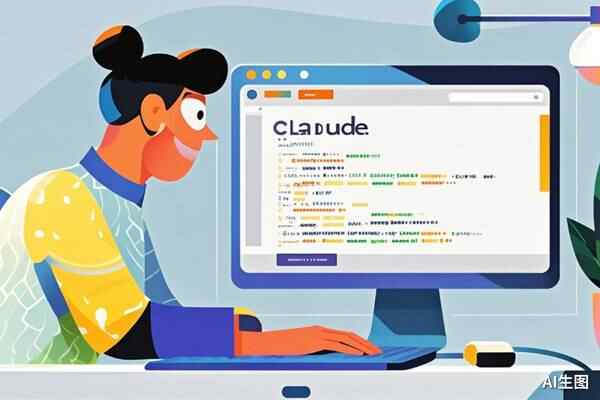
今天起,Claude Design要把設計師和程序員變成同一種人了
猝不及防!Anthropic深夜甩出Claude Design大更新,設計系統一鍵導入,代碼雙向同步,9大平臺一鍵導出。Anthropic設計師親自下場錄屏:AI跑了八輪自查,才敢把設計稿給你看。
OpenAI 成為 Rust 基金會白金會員,合計贊助 60 萬美元
OpenAI 正式成為 Rust 基金會白金會員,將提供總計 60 萬美元資金,用於支持 Rust 開源項目維護者及 Rust 創新實驗室等計劃。這標誌著 AI 巨頭對安全、高效系統編程語言的重視。 #OpenAI #Rust #開源

Claude Design 上線首周用戶破百萬,和 Claude Code 共享 AI 配額
Anthropic 今天(6 月 18 日)發佈公告,在宣佈 Claude Design 上線首周用戶規模突破 100 萬後,進一步強化和 Claude Code 的雙向聯動,實現從設計到編程的無縫工作流。
谷歌時隔6年再發智能音箱,Gemini上桌,售價不到700元
智東西 編譯 | 劉煜 編輯 | 陳駿達 智東西6月18日消息,谷歌昨日宣佈,其首款搭載居家版Gemini語音助手的智能音箱(Google Home Speaker)已開啟預售,將於當地時間6月25日正式上市,售價為99.99美元(約合人民幣677.03元)。在此之前,谷歌已有6年沒有推出過獨立智能音箱產品。 谷歌這款智能音箱外觀近似球形,風格類似亞馬遜新一代Echo音箱與蘋果舊款音箱HomePod Mini。 ▲谷歌智能音箱(圖源:谷歌官網) 使用音箱時,用戶只需通過口令“Hey Google”或“OK Google”喚醒Gemini,就可以繼續下達相應指令。這與谷歌舊款音箱、智能顯示屏等喚醒語音助手的方式相同。此外,用戶只要按照日常說話習慣下達命令,Gemini便能理解用戶意圖,相比之前大大提升溝通效率。 一、加強短時對話記憶,會員可與Gemini不限次數對話 谷歌此次推出的全新音箱升級諸多功能。其中,音箱搭載的Gemini語音助手擁有10款全新擬人化語音音色,用戶可以根據喜好自行選擇聲線。音箱還可支持用戶一次性下達多條語音指令,即使指令未能說對、說完整,用戶中途改口Gemini也能識別。 Gemini還具備多鏈路推理能力,落地到實際生活場景中比較實用。例如,用戶問:“我支持的足球隊下場比賽天氣如何?”Gemini收到指令後,會自動查詢賽事時間、舉辦地點,同時匹配相應時段天氣,再給出答覆。 同時,Gemini加強了短時對話記憶,能承接上下文實現連續對話功能。即使用戶連續追問、甚至串聯多項任務、不重複交代前置條件,該語音助手也能實現來回連貫交流。 ▲谷歌Gemini對話場景(圖源:谷歌官網) 不僅如此,Gemini搭配的連續對話功能,能讓應答後的音箱麥克風保持短暫收音,用戶無需重複喊“OK Google”就能繼續提問。該功能現已全面支持所有Gemini原生適配的語言,包括

微軟,考慮接入DeepSeek
這篇消息聚焦「微軟,考慮接入DeepSeek」。原始導語提到:Copilot Cowork轉為按量計費。 從 AI 情報角度來看,這類內容值得關注其背後的技術進展、產品落地、產業競爭與後續市場影響。